Let's learn about conserving water using an irrigation system
Drip Irrigation Components | ||||
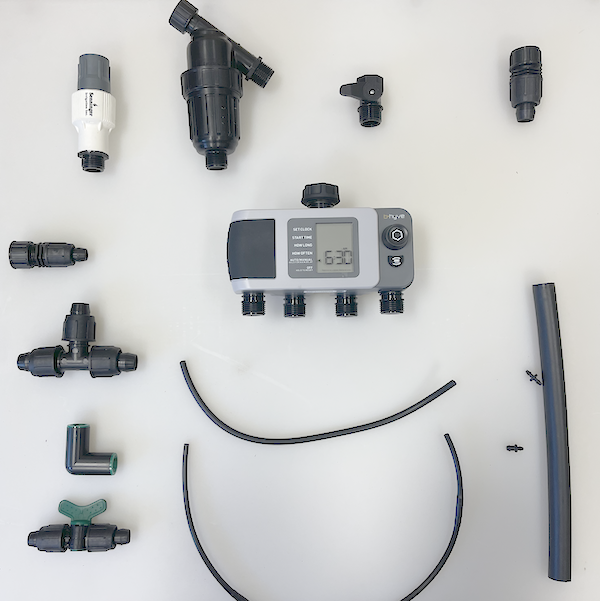
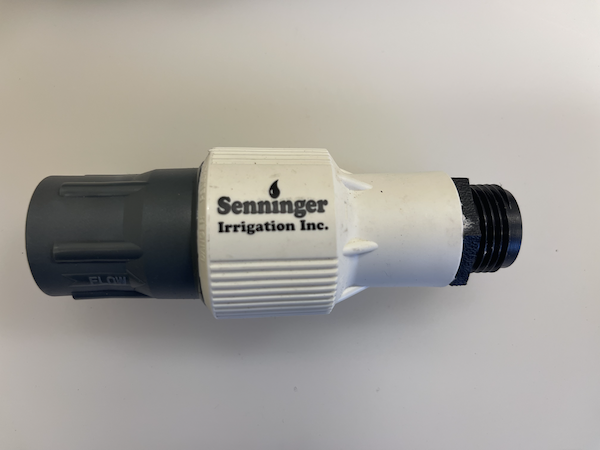 | Pressure Regulator A device that slows down the water pressure so the irrigation system does not spray or break and water can drip gently to the plants. | |||
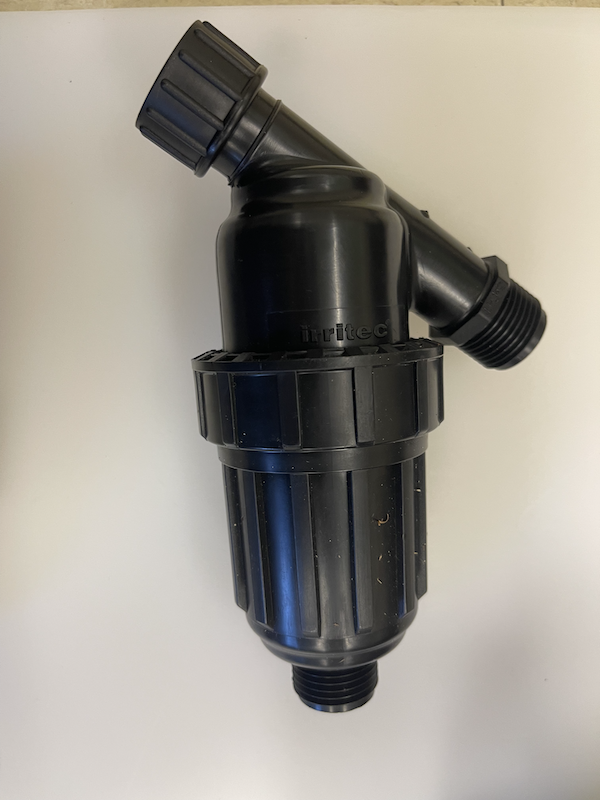 | Water Filter A part that cleans the water by catching dirt and tiny bits so the drip lines do not get clogged. | |||
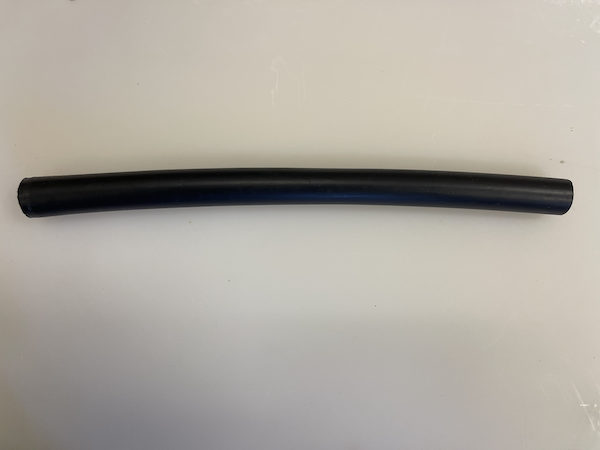 | Source Tube The main pipe that carries water from the faucet or hose bib to the rest of the irrigation system. | |||
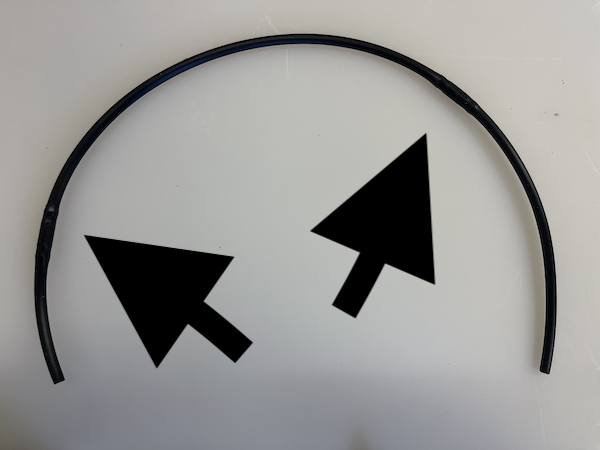 | Emitter Tube Small devices built into drip lines (tubes) that let water drip out slowly along the length of the tube, so plants get water right at their roots. | |||
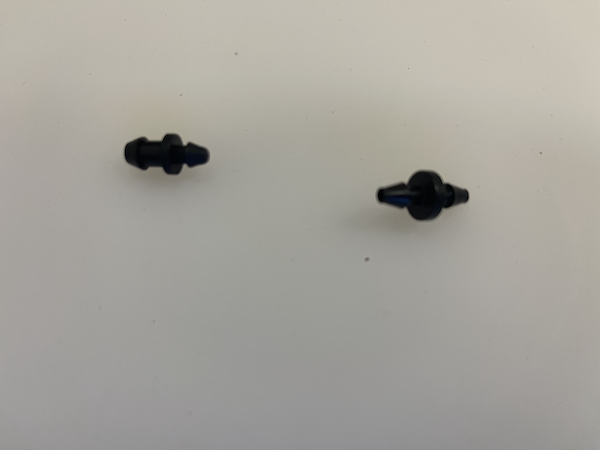 | Goof and Transfer Plug Allows for holes to be plugged, or connecting ¼ inch lines to carry water to the plants | |||
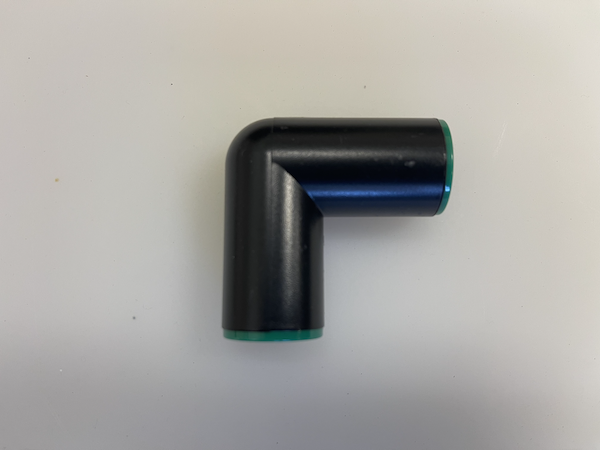
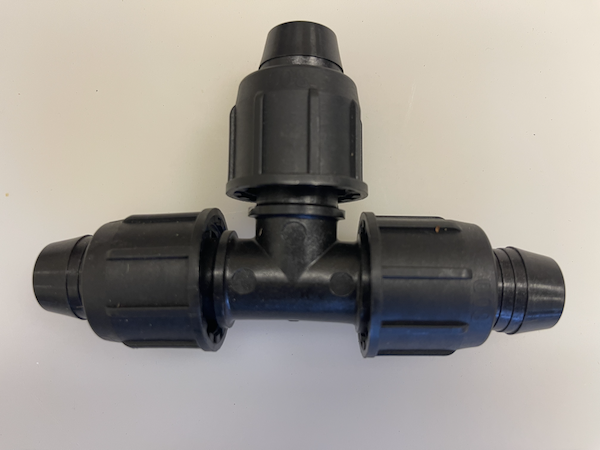
| Elbow, Tee Connector, and End Cap Allows tubes to be turned, split into 2 different directions, or capped at the end. | |||
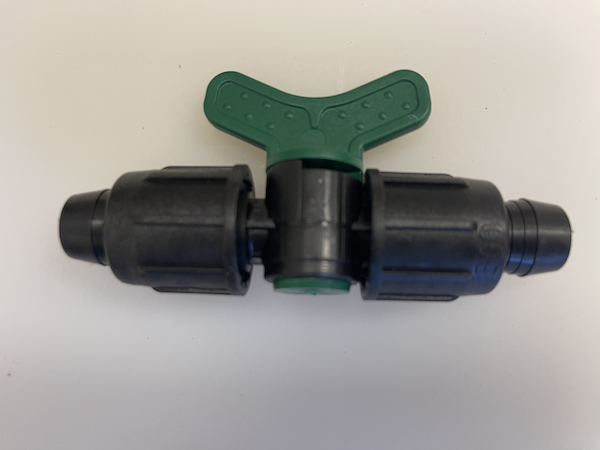 | Shut-Off Valve A control that lets you turn the water on or off whenever you need to stop or start the flow. | |||
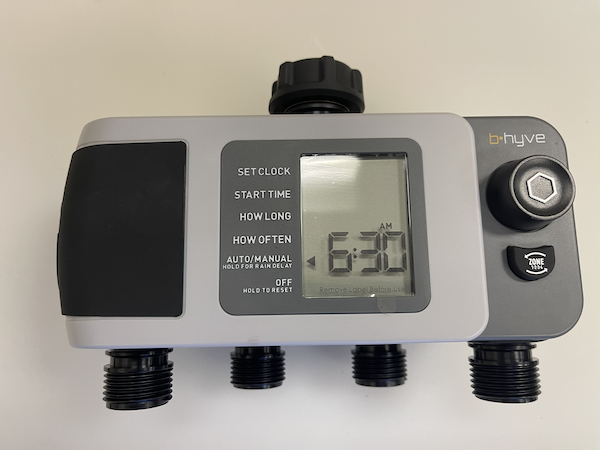 | Automatic Timer with 4 Zones Timers allow you to set the days, hours, and durations for watering. This timer has 4 separate zones that can be programmed.
| |||
 | ||||
In this unit, we’ll be learning about water conservation in the garden. Conservation is using only what we need so resources like water don’t run out. One way we can conserve water is by using drip irrigation.
Plants need water to grow. However, rain may not fall in the garden exactly when and where we want it to fall. So, farmers use various methods of irrigation. Irrigation means that we supply the water to our plants. Some irrigation systems are designed for really large farms.
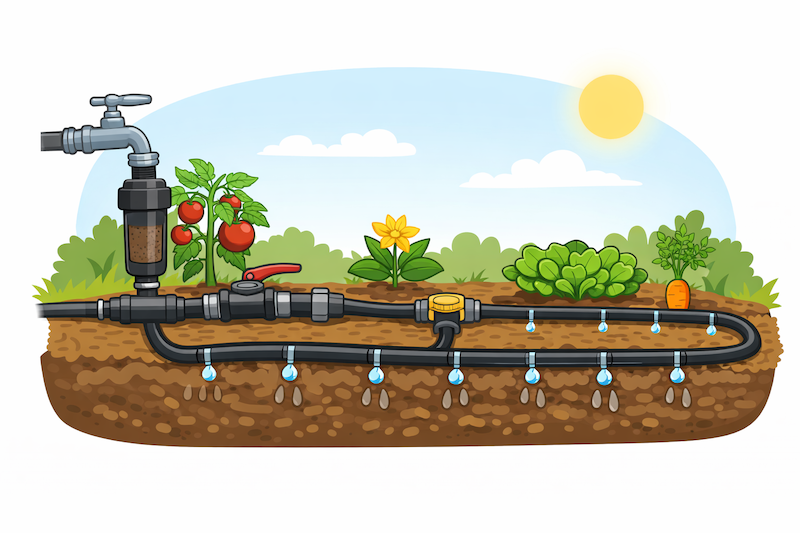
Since we have a small community garden, we’re going to use a drip irrigation system. Drip irrigation is a smart way to water plants by giving them small, steady drops of water right where they need it most—at their roots. Instead of spraying water into the air like a sprinkler, drip irrigation moves water through a system of tubes that start at a hose bib, reduce into main source pipes, and then branch into smaller drip lines that deliver water slowly to each plant.
This gentle flow helps plants grow strong while using much less water, because it prevents runoff, puddles, and evaporation from the sun. By keeping the soil evenly moist, drip irrigation also protects the soil and the tiny living organisms that help plants thrive.
So let’s take a quick look at our system, which starts with a pressure regulator. This is a device that slows down the water pressure so the irrigation system does break and water can drip gently to the plants. Next is the water filter. This is the part that cleans the water by catching dirt and tiny bits so the drip lines do not get clogged.
Let’s say we need to shut the system down temporarily. We can use a shut-off valve, which is a control that lets you turn the water on or off whenever you need to stop or start the flow. Next we connect the programmable timer which allows us to set the day, time, and duration for watering. Our particular timer has four zones. That means we can have four different sections in our garden with separate watering schedules.
Next is the main source line, which is the main pipe that carries water to the rest of the irrigation system. Depending upon the design, there may be different size source lines that run throughout the garden. Our main source line is ¾ inches, secondary lines may be ½ inch, or even ¼ inch.
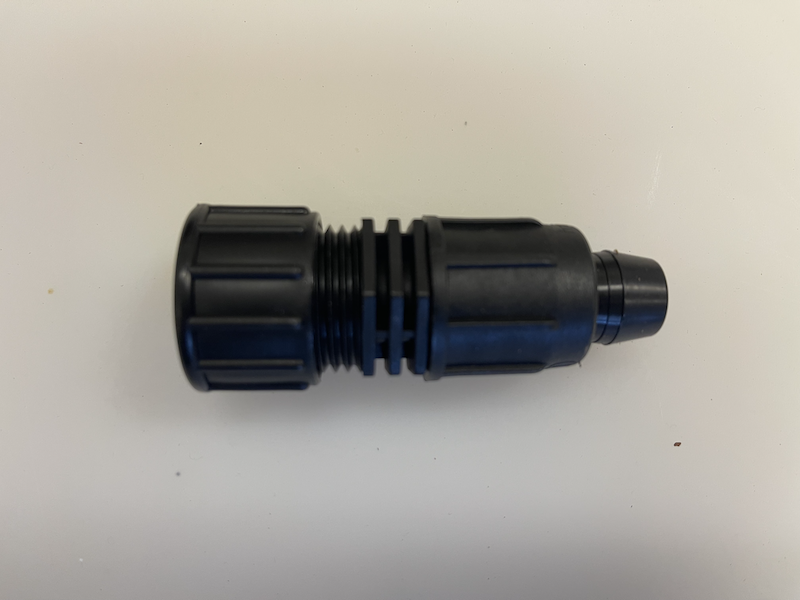
The lines may be connected by using reducers, which connect pipes of different sizes and make the water flow smoothly from a bigger tube to a smaller one. We can make the tubes go in different directions by using T-Connectors and Elbows, which allow the tubes to turn to the right or left without bending the tubes and interrupting the flow.
Once the tubes finally reach the plants, we use emitter tubes. These tubes have very small holes that let water drip out slowly along the length of the tube, so plants get water right at their roots. Emitter tubes are connected to the main source tubes with tiny transfer barbs. They’re small and easy to lose, so be careful with them.
When it’s time to install our system, I’ll need some helpers who are good a measuring, counting, and connecting tubes together. In the meantime, make sure you understand the important irrigation vocabulary words.
Vocabulary
Drip Irrigation
A way to water plants by letting water drip slowly near their roots.
Roots
The part of the plant that grows underground and takes in water and nutrients.
Soil
Where plants grow and get water and nutrients.
Water Source
The place where water comes from, like a hose or faucet.
Tubing
Long, flexible pipes that carry water to plants.
Drip Line
A small tube that lets water drip out slowly to plants.
Emitter
A tiny opening that controls how much water comes out.
Timer
A device that turns water on and off automatically.
Evaporation
When water changes into vapor and goes into the air, often because of heat from the sun.
Conservation
Using only what we need so resources like water do not run out.
Valve
A part that controls the flow of water, letting it start, stop, or change direction in the irrigation system.
Drip Irrigation Unit Questions
What do plants need to grow, and why is water important for them?
What is drip irrigation, and how is it different from a sprinkler?
Why do you think drip irrigation lets water drip slowly instead of spraying fast?
Where does the water go when we use drip irrigation? What part of the plant gets the water first?
Why do you think the tubes get smaller as the water moves closer to the plants?
How does drip irrigation help save water?
What might happen if plants get too much water all at once?
How does drip irrigation help the soil stay healthy?
Why is saving water important for people, plants, and animals?
If you were designing a garden, why would you choose drip irrigation instead of a sprinkler?