Easy to plant, grow, and cook!
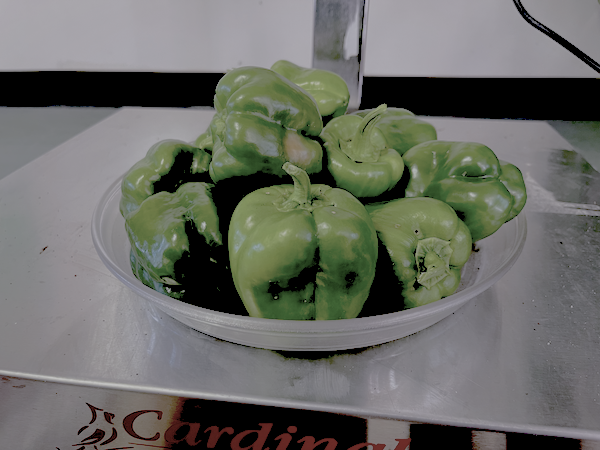
When it comes to bell peppers, the red, yellow, and orange varieties usually get all the flashy spotlight. But today, we’re stripping away the hype and shining a light on the crisp, grassy, and versatile champion of the crisper drawer: the green bell pepper.
Whether you’re looking to perfect your stir-fry or curious about how these crunchy delights make it to your plate, here is your ultimate guide to how green bell peppers are grown, harvested, and used in the kitchen.
1. How Green Bell Peppers Are Grown: The Waiting Game
Here’s a fun piece of trivia to kick things off: all green bell peppers are actually just unripe red, yellow, or orange peppers! Because they are harvested before they fully mature, they retain their signature bright green color and a slightly bitter, garden-fresh flavor profile.
Growing them takes a bit of patience and the right environment:
Warmth is Key: Sun-worshipers by nature, bell peppers need plenty of sunlight (at least 6–8 hours a day) and warm soil to thrive. They are typically started indoors as seedlings before being transplanted outside once the threat of frost has completely passed.
The Right Soil: They prefer well-draining, fertile soil with a neutral pH.
Steady Hydration: Peppers need consistent watering—about an inch a week. If the watering is too erratic, the plants can suffer from blossom end rot (a gardener's worst nightmare!).
2. The Harvest: Timing is Everything
Because green bell peppers are technically "immature," knowing when to pick them is an art form.
When are they ready?
Farmers and gardeners look for peppers that have reached their full size (usually about the size of a fist) and have developed thick, firm walls. They should feel heavy for their size and have a glossy, deep green skin. If you leave them on the vine too long, you’ll start to see streaks of red or yellow appear.
How they are harvested:
You can't just yank a pepper off the plant, or you risk breaking the fragile branches. Growers use sharp shears or knives to cleanly snap the stem, leaving a short stub attached to the pepper. This helps the pepper stay fresh longer after it's picked.
3. In the Kitchen: The Culinary Workhorse
While sweet peppers bring sugar to the table, green bell peppers bring a crisp, slightly pungent, and savory bite. This makes them incredible structural components in cooking because they cut through rich, fatty flavors.
Here’s how to make them shine in your kitchen:
The Holy Trinity & Mirepoix
In Cajun and Creole cooking, green bell peppers are royalty. They form one-third of the "Holy Trinity" (alongside onions and celery), serving as the flavor foundation for jambalaya, gumbo, and étouffée.
Best Cooking Methods
Stuffed Peppers: Because of their sturdy walls, green peppers are the ultimate vessel for stuffing. Hollow them out and pack them with seasoned ground beef, rice, tomatoes, and melted cheese.
Sautéed & Stir-Fried: Slice them thin and toss them into a smoking-hot wok or skillet with onions. They are essential for fajitas, Philly cheesesteaks, and traditional Chinese beef and pepper stir-fries.
Raw and Crunchy: Dice them up for a fresh garden salsa, or slice them into strips for a refreshing, low-calorie dipping vessel for hummus or ranch.
Chef's Tip: To easily core a pepper, slice off the top and bottom, make a single vertical cut down the side, and literally unroll the pepper skin away from the inner seed core. Minimal mess, maximum efficiency!
The Verdict
The green bell pepper might be the affordable, humble option in the produce aisle, but its distinct crunch and savory punch make it irreplaceable in kitchens worldwide. Next time you're meal prepping, don't overlook the green guy—it might just be the missing ingredient your dish needs.
What’s your favorite way to cook with green bell peppers? Are you team stuffed pepper, or team fajita? Let’s chat in the comments below!