
Don't throw away the giant okra we harvested
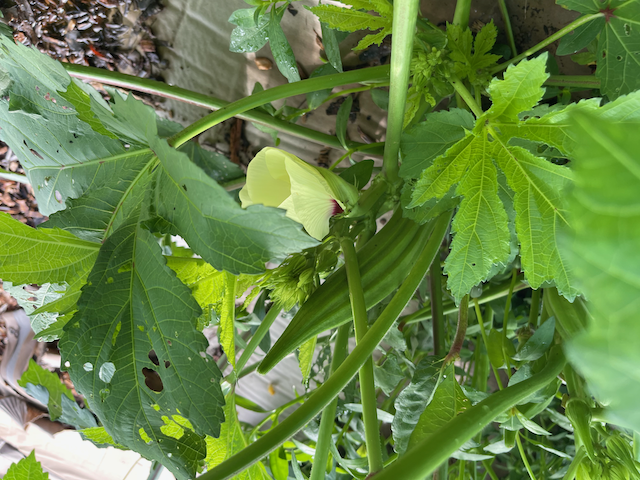 | 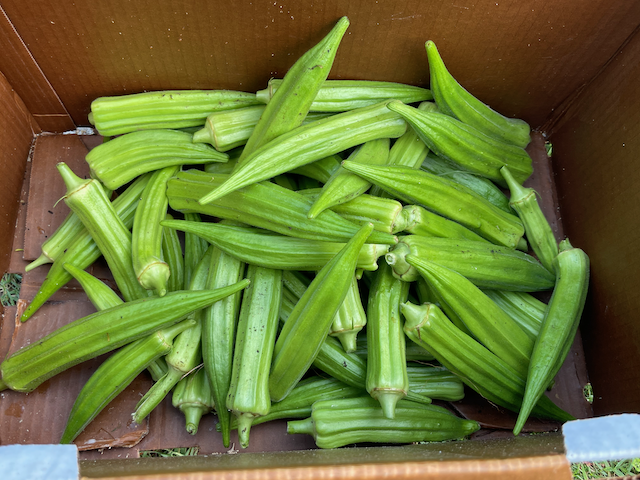 |
If you’ve walked past the school garden lately, you might have noticed that our okra plants look like they’ve been working out. A lot. In the world of gardening, timing is everything. This week, we harvested a 6 pounds of okra. The catch? We got to them a week or two past their "peak" picking window. The result is a harvest of absolute giants.
While we're thrilled by the sheer size of these veggie monsters, our seasoned adult gardeners are looking at them with a skeptical eye. And they aren’t wrong! Let’s talk about the science of okra, why size matters, and how we are turning this "oops" into a delicious success.
The Science of Size: Why Smaller is (Usually) Better
When it comes to okra, bigger doesn't usually mean better. Here is a quick breakdown of what happens as okra grows:
The Peak Window: Okra is ideally harvested when it is about 2 to 4 inches long (roughly the size of your index finger). At this stage, the pods are tender, crisp, and full of that classic, mild flavor.
The Giant Phase: If left on the plant just a few days too long, okra undergoes a growth spurt. The pods become woody, fibrous, and incredibly tough to chew. The seeds inside also get large and hard.
These massive, impressive veggies get a bit stringy and tough when cooked. It’s a classic garden lesson: nature moves fast!
Don't Toss the Giants! Creative Ways to Use Overgrown Okra
While you might not want to slice these big guys up for a quick stir-fry, they are far from useless. In the spirit of a sustainable school garden, we aren't letting anything go to waste. Here is how we (and you!) can use overgrown okra:
1. The Ultimate Soup Stock Just because the pods are too tough to eat doesn't mean they lack flavor. Chop the large okra into chunks and simmer them in a vegetable or chicken stock. Okra contains mucilage (the stuff that makes it sticky), which acts as a fantastic, natural thickener for stews and gumbos. Just strain the tough pods out before serving!
2. Save the Seeds Those large, hard seeds inside the giant pods are perfect for next year's garden. We are letting a few pods dry out completely so students can harvest the seeds, learn about the plant life cycle, and plant them next spring.
3. Dehydrated Okra Chips Sliced incredibly thin and baked or dehydrated with a little olive oil and salt, even larger okra can turn into a crunchy, hollow chip that kids love to snack on.
A Growing Experience
Every "mistake" in a school garden is just a science lesson in disguise. Our students learned that plants have strict timelines, and our kitchen crew is learning how to be flexible and creative with what nature gives us.
Next week, we'll be targeting the smaller pods—but for now, we're celebrating our “giant” harvest!