The garden is a classroom without walls.
 |  |  |
 |  |  |
From Waste to Wonder: Our Spring Garden Journey
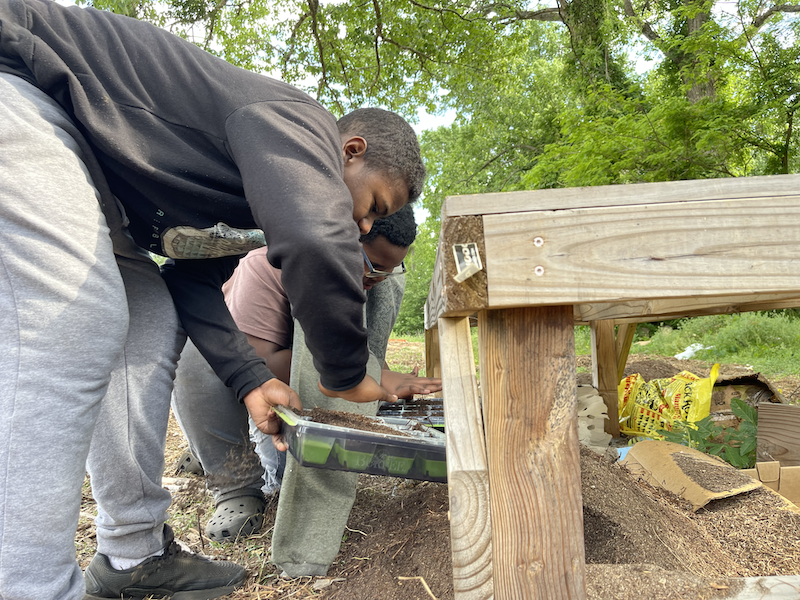
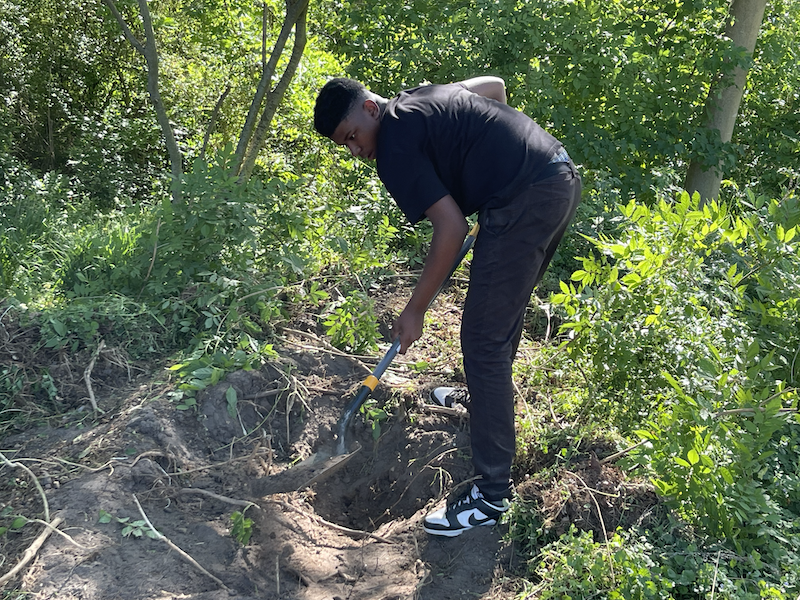
Spring has officially arrived in our school garden, and this week was a milestone for our students. There is something uniquely rewarding about digging into the earth and seeing—and smelling—the literal fruits of your labor from months prior.
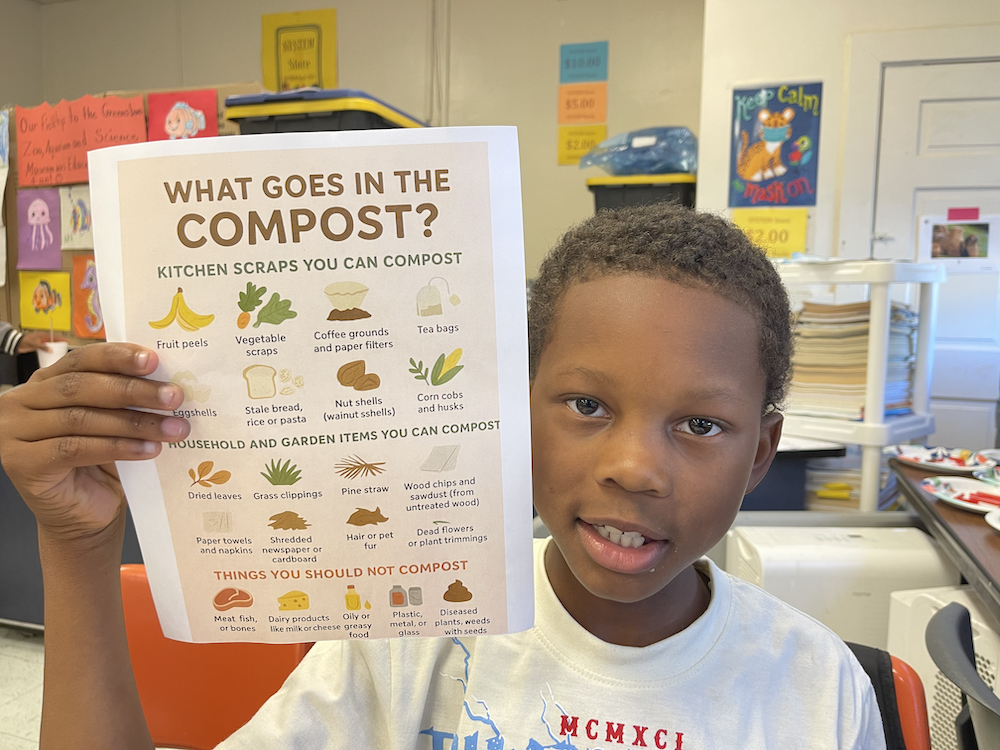
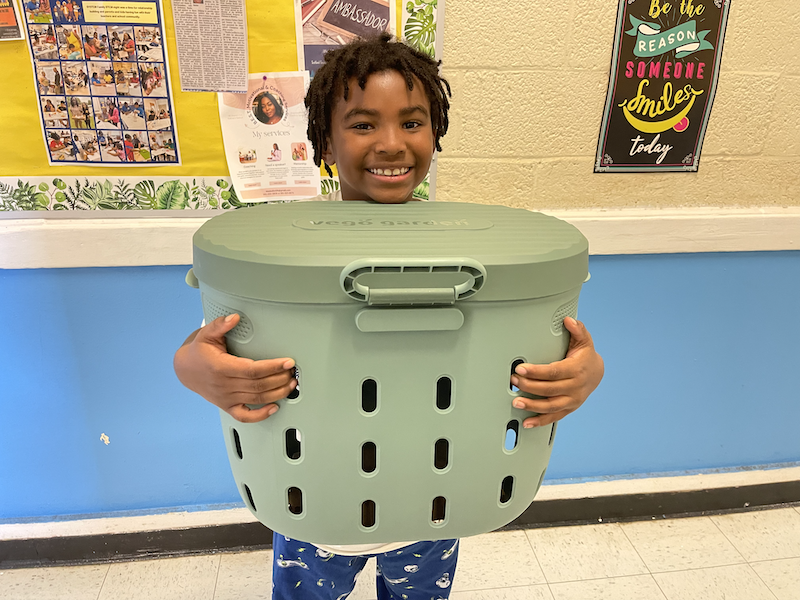
Last fall, we began a journey into composting, teaching the students that "waste" is just a resource in the wrong place. This week, as we prepped our beds for new seedlings, the cycle came full circle.
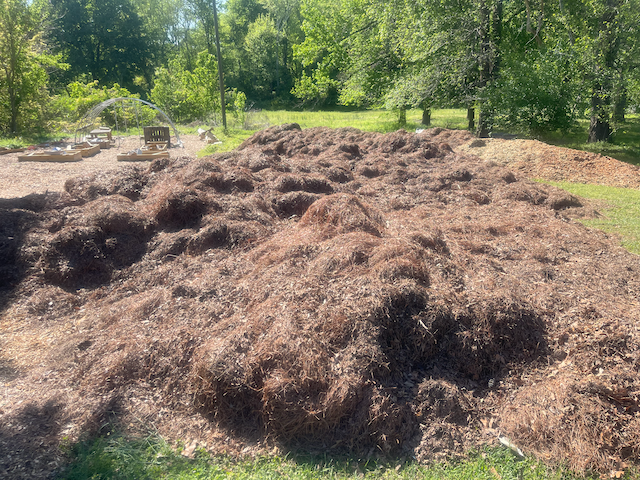
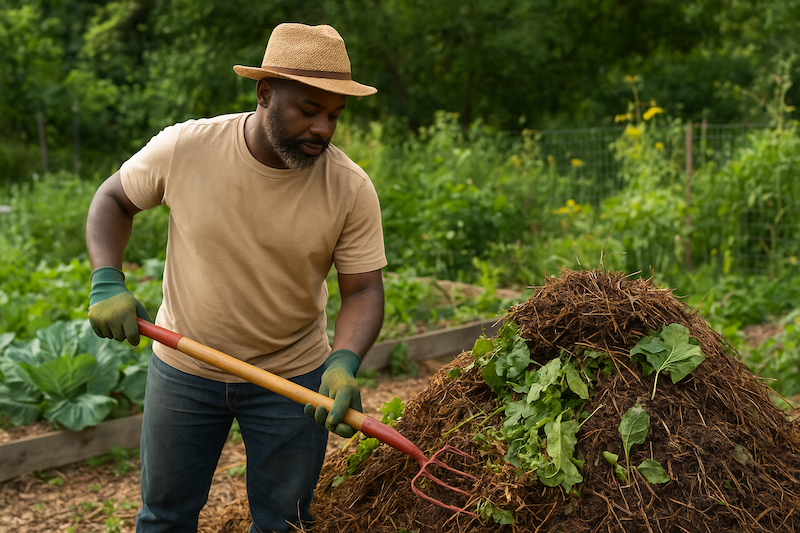
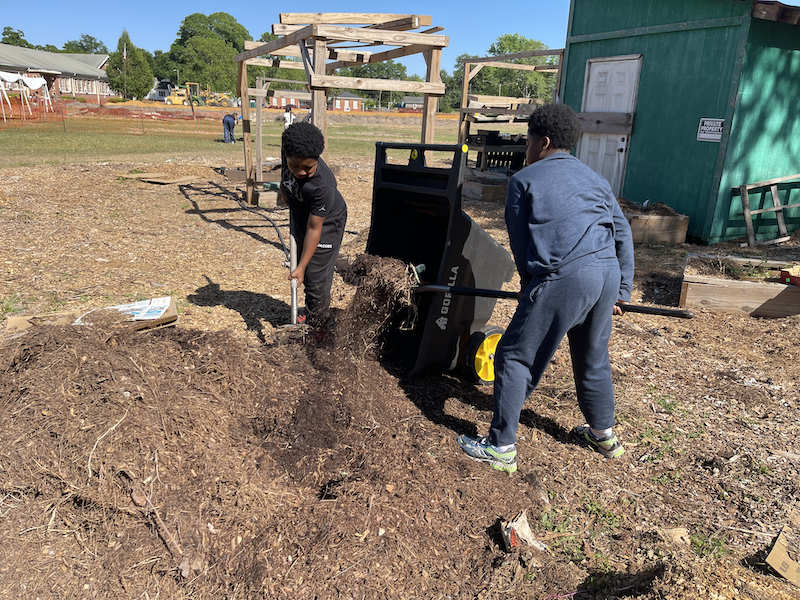
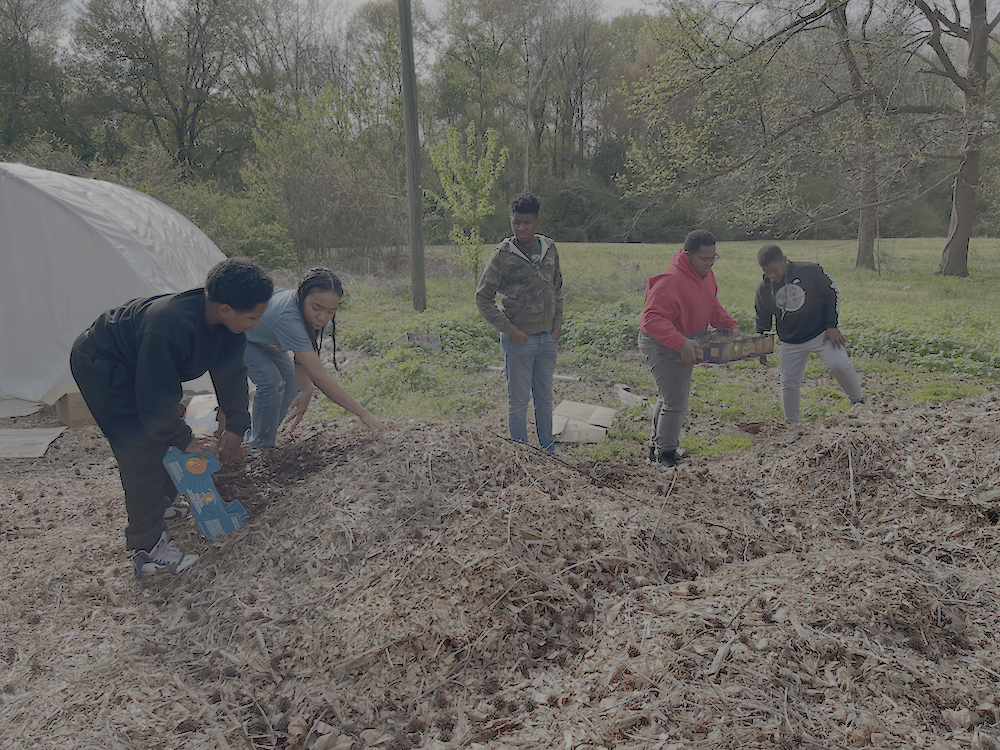
The highlight of the week was uncovering the piles we started in the fall. The students were amazed to see how vegetable scraps, dry leaves, and garden debris had transformed into rich, dark, crumbly compost.
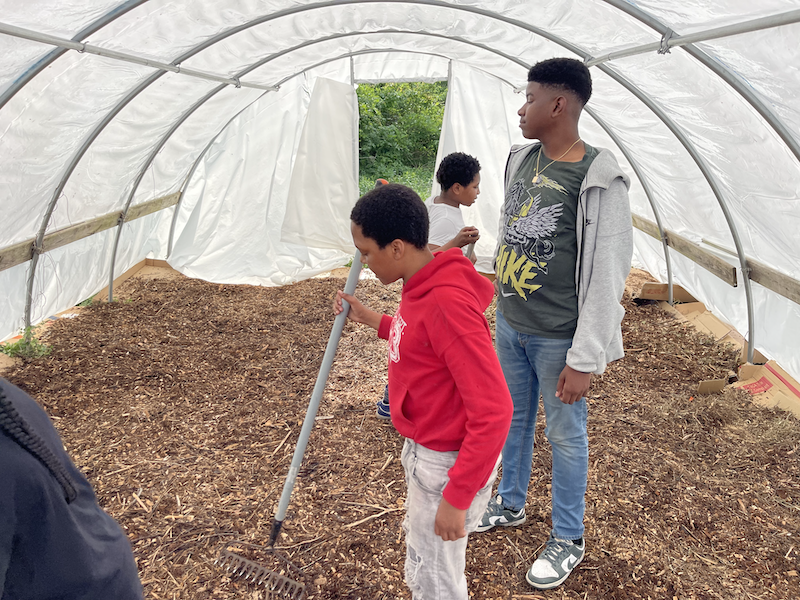
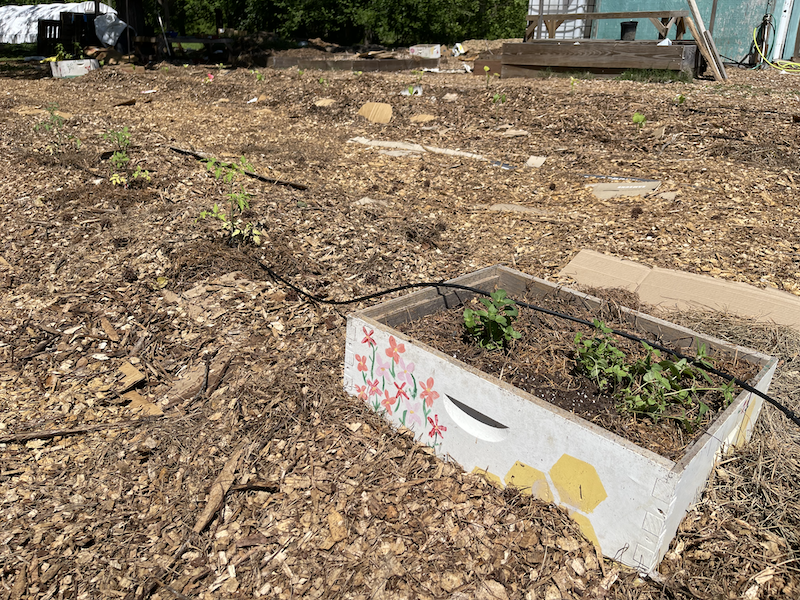
To give our new seedlings the best possible start, we’ve been practicing a "nutrient-dense" layering technique:
- Fully Composted Material: Provides immediate, bioavailable nutrients.
- Semi-Composted Material: Adds texture and continues to break down, feeding the soil over time.
- Mulch: A protective blanket to keep moisture in and weeds out.
Building for the Future
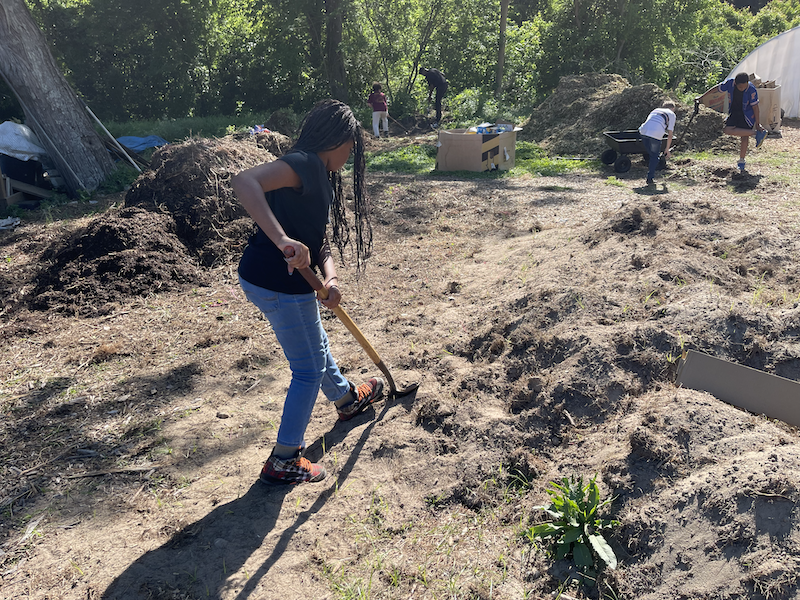
Gardening is never just about the present; it’s about the seasons to come. While we used our finished compost to nourish our spring crops, we also spent time turning and mixing our active piles.
The students helped create brand-new piles, layering "greens" and "browns" to kickstart the decomposition process again. It’s a hands-on lesson in biology and chemistry that they won't soon forget. Seeing the steam rise from a hot, active pile was a "lightbulb moment" for many, illustrating the power of microbial life at work.
By combining these materials, we aren't just planting seeds; we are building a living soil ecosystem. Our students are learning that healthy plants start from the ground up.
As we watch our little greens begin to poke through the soil, we’re reminded that the patience we showed in the fall is exactly what is fueling our growth today. Happy planting!