How an Unturned Compost Pile Became Our Best Melon Patch
If you ask any school gardener what mid-summer feels like, they’ll tell you the same thing: beautiful, delicious chaos.
When peak harvest arrives, the garden demands every spare second you have. You’re washing crates, picking tomatoes before the birds get them, fighting off weeds, and trying to keep up with the unexpected realities that confront you. In the endless triage of garden chores, something eventually has to suffer.
For us this year, that "something" was the compost pile.
And as it turns out, the garden had a delightful surprise in store to reward our benign neglect.
 |  |
The Great Melon Crisis
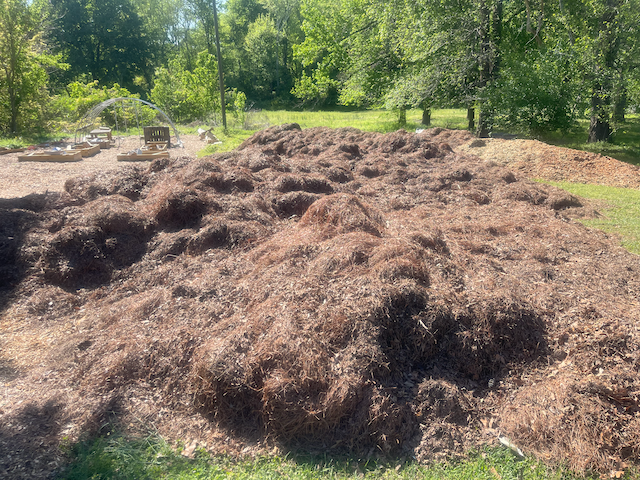
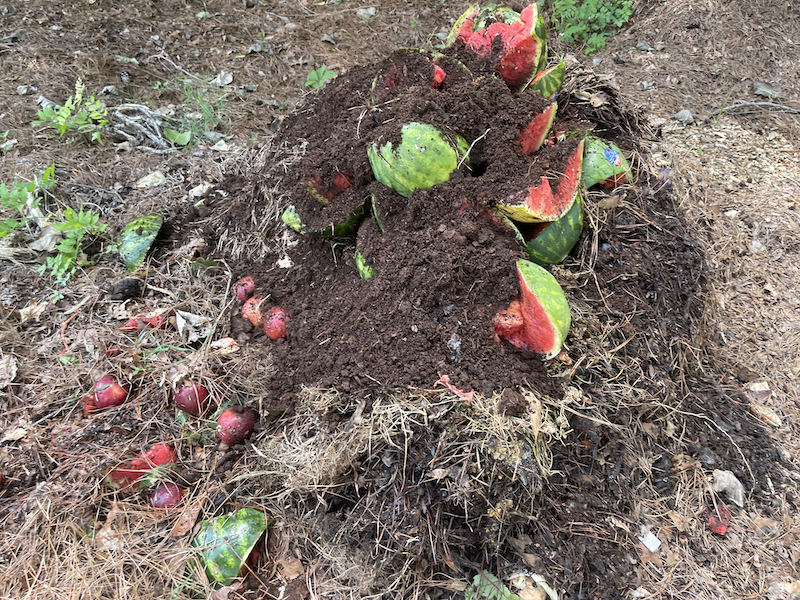
Earlier this season, our school received a massive shipment of melons, both watermelon and cantaloupe. Unfortunately, some arrived on the absolute brink of spoilage. Not wanting them to go to waste entirely, we hauled load after load to the compost site. We dumped them in, intended to turn the piles properly, and... well, life happened. Harvest season kicked into high gear, time slipped away, and those compost piles sat untouched, buried under the weight of our busy schedules.
Nature Takes the Reins
Fast-forward to mid-summer.
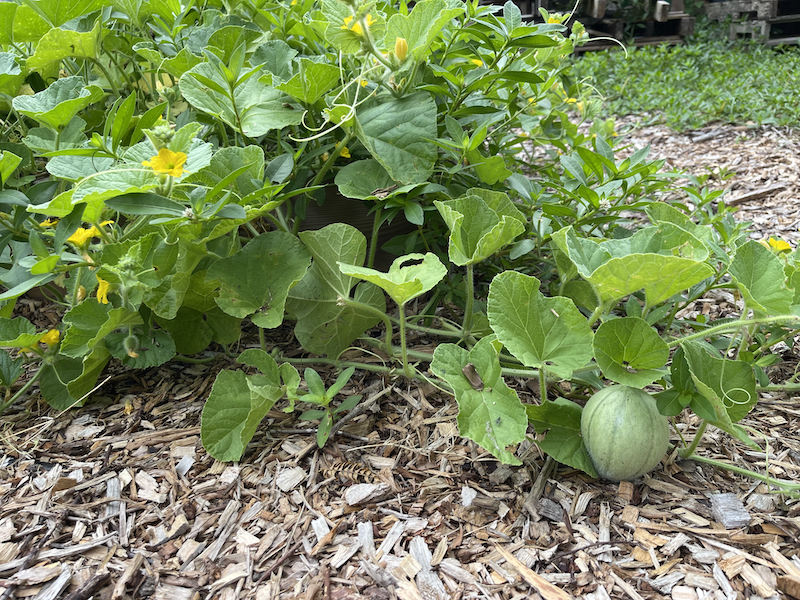
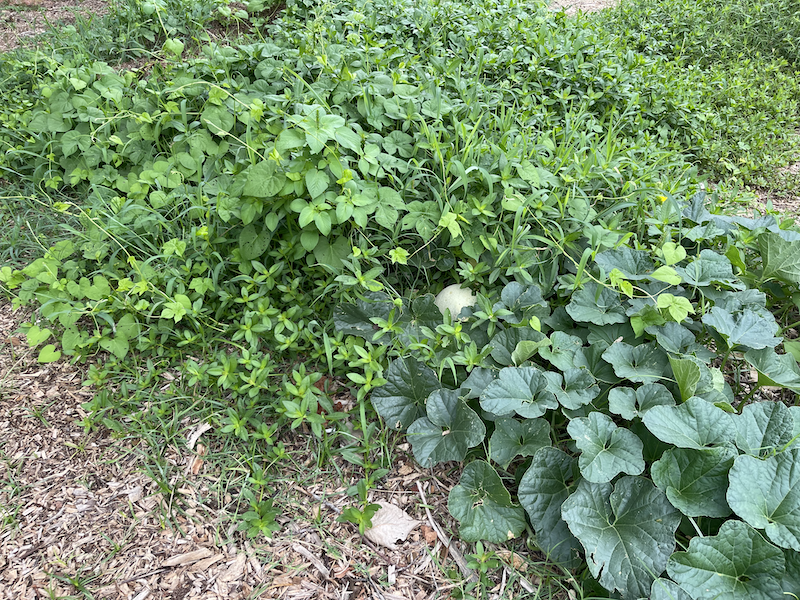
While walking by the unattended piles, expecting to see a mound of slowly decomposing organic matter, I was greeted by a wall of lush, vibrant green. Those unturned compost piles hadn't just broken down—they had taken off.
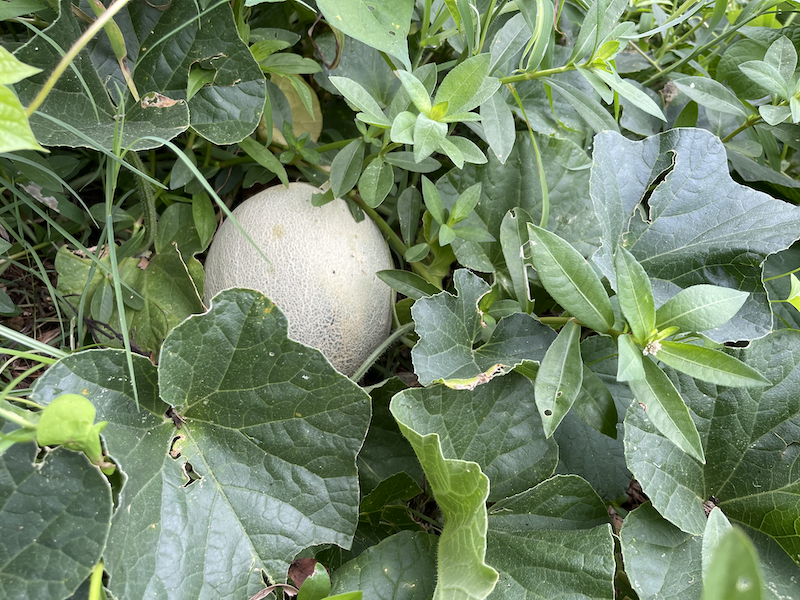
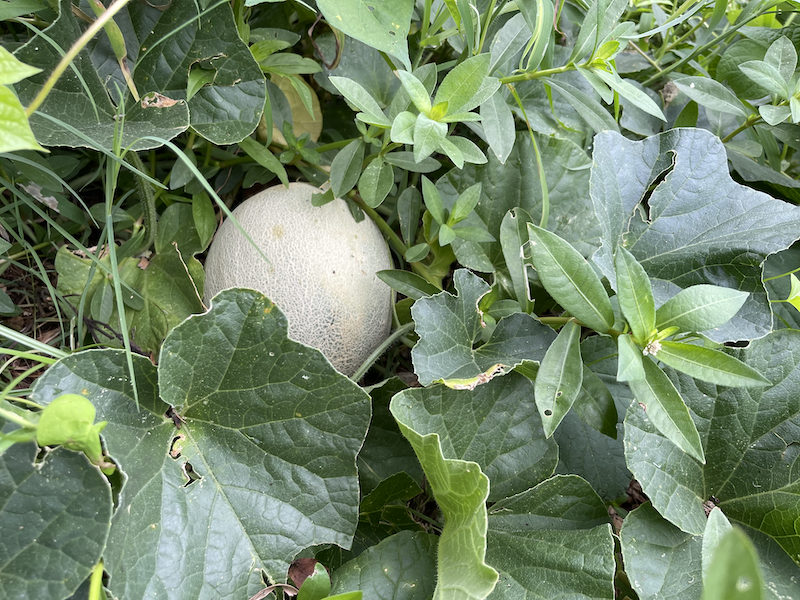
Vigorous melon vines were sprawling out in every direction, completely hijacking the compost area. And when I stepped closer to part the massive leaves?
There, resting happily on the warm, nutrient-rich soil, were several massive, thriving melons.
 |  |
Lessons from the Unintentional Melon Patch
We’ve all found "volunteer" tomato plants or squash seedlings popping up in compost before, but watching a full-blown, high-yielding melon patch thrive out of pure chaos is something else entirely.
It’s a gentle, humorous reminder of a few key gardening truths:
Compost is the Ultimate Launchpad: Melon seeds couldn't ask for a better home than a rich, warm, moisture-retentive pile of organic matter. We accidentally gave them 5-star accommodations.
Forgive Yourself for Slipping Up: Gardening is a balancing act. You can't turn every pile, weed every bed, and harvest every crop all at once. Sometimes, letting a chore slide creates space for something wonderful to happen.
Nature is Relentless (in a Good Way): Plants want to grow. Given half a chance—even in a pile of "garbage"—life finds a way to yield something sweet.
The Unplanned Produce
While a completely wild melon patch wasn't anywhere on our crop plan for this term, it’s quickly becoming one of our favorite spots in the garden. The students are going to be thrilled when they see that the very fruits we thought were lost early in the season are coming back to offer us a second chance.
So, here’s to the unturned piles, the missed chores, and the happy accidents. Sometimes, not staying on top of things is the best garden strategy you never knew you needed!