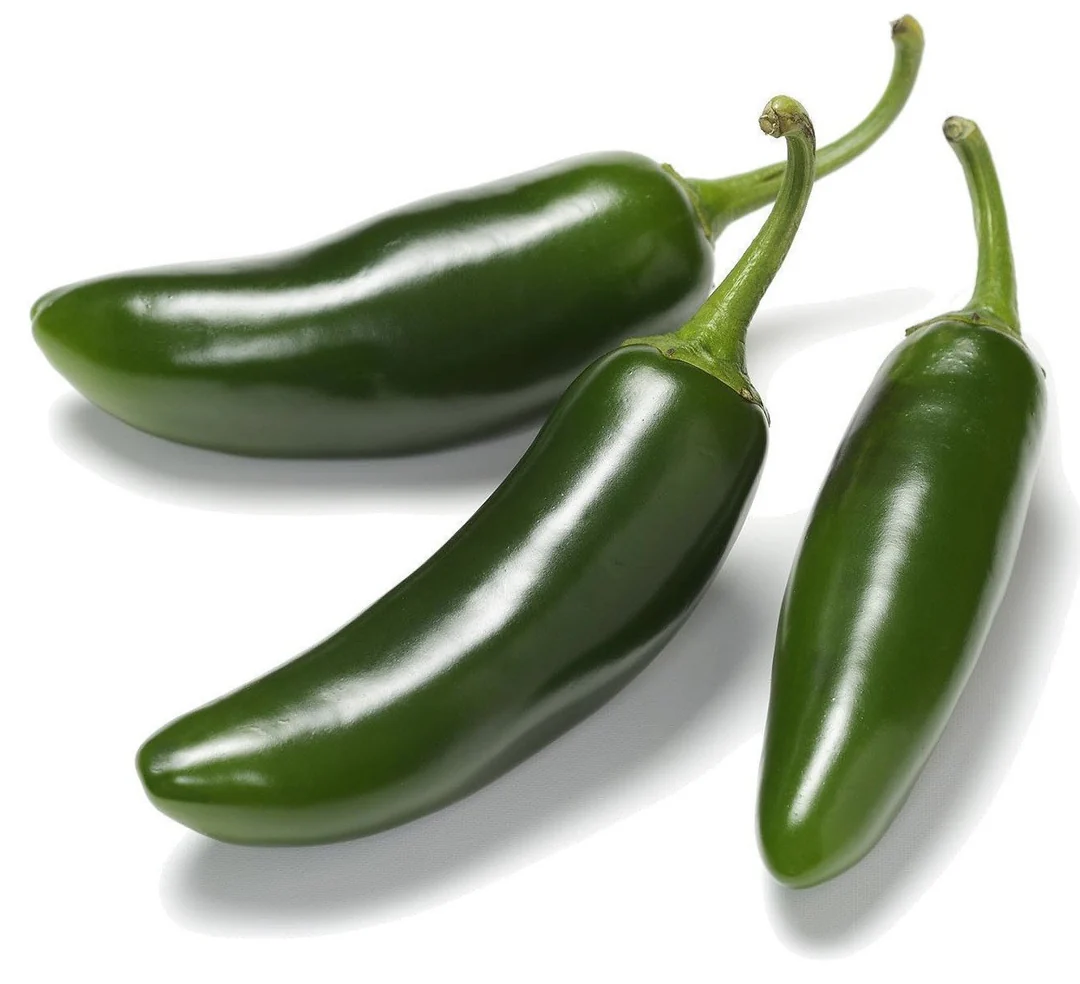
If you like spice, start with the Jalapeno
Turning Up the Heat: The Ultimate Guide to Jalapeño Peppers
If the green bell pepper is the dependable workhorse of the kitchen, the jalapeño is the spark plug. It’s arguably the most famous chili pepper in the world, bringing just the right amount of kick to elevate a dish from boring to brilliant without melting your face off.
Whether you’re a spice novice or a certified chilihead, here is everything you need to know about how jalapeños are grown, harvested, and unleashed in the kitchen.
1. How Jalapeños Are Grown: Chasing the Heat
Jalapeños (Capsicum annuum) are native to Mexico, and like most chilis, they love hot, sunny days. Growing a great jalapeño is all about managing their environment to maximize flavor and spice.
Sun and Soil: Jalapeños need full sun (6 to 8 hours daily) and rich, well-draining soil.
The Stress Factor (Spiciness): Here’s a secret about peppers: if you give them a little bit of "tough love," they get spicier. Letting the soil dry out just a bit between waterings causes environmental stress, which prompts the plant to produce more capsaicin—the chemical compound responsible for the heat.
White Striations: Have you ever seen jalapeños with little tan lines or stretch marks? Gardeners call this "corking." It happens when the pepper grows rapidly, stretching the skin. While some supermarkets reject them for cosmetic reasons, pepper lovers know that corking is usually a sign of a much hotter pepper!
2. The Harvest: From Green to Crimson
Jalapeños offer a "choose your own adventure" when it comes to harvesting, depending on what kind of flavor profile you're chasing.
The Green Stage (Most Common)
Most jalapeños are harvested when they are a deep, glossy green and about 2 to 3 inches long. At this stage, they are firm, crisp, and carry a bright, grassy, and moderately spicy flavor.
The Red Stage (The Sweet Heat)
If you leave jalapeños on the vine longer, they will eventually turn a vibrant red. Red jalapeños are significantly sweeter, but they also pack a more intense, concentrated punch of heat.
Harvest Safety First: When picking jalapeños, it’s best to wear gloves or wash your hands immediately with soap and water. The oils (capsaicin) on the skin can easily transfer to your eyes or face, leading to a very painful lesson!
3. In the Kitchen: Popped, Pickled, and Smoked
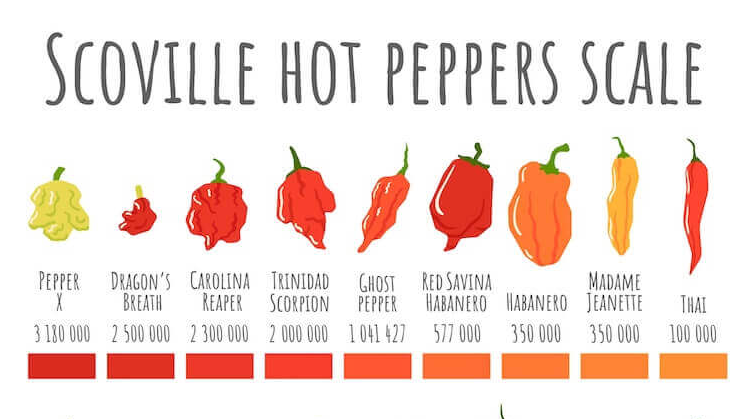
The jalapeño hits the absolute sweet spot on the Scoville scale (the measurement of chili heat), clocking in at a manageable 2,500 to 8,000 Scoville Heat Units (SHUs). This makes them incredibly versatile.
Taming the Flame
Most of a jalapeño's heat lives in the interior white pith and the seeds, not the green flesh. If you want the flavor without the fire, simply slice the pepper in half and scrape out the seeds and white ribs before cooking.
Best Culinary Uses
Jalapeño Poppers: The holy grail of game-day appetizers. Hollowed-out jalapeños are stuffed with cream cheese, wrapped in bacon (or coated in breadcrumbs), and baked until gooey and crisp.
Pickled: Quick-pickled jalapeño rings are a staple topping. Throw them on nachos, tacos, burgers, or even pizza to cut through rich cheeses and meats.
Fresh Salsas and Guacamole: Finely minced raw jalapeño adds a necessary, vibrant bite to classic pico de gallo and homemade guac.
Become a Chipotle: Did you know that a chipotle pepper is just a red jalapeño that has been smoke-dried? The smoking process transforms the pepper into a rich, earthy, and fiery culinary weapon.
The Verdict
The jalapeño is the perfect introductory pepper for anyone looking to explore the world of spicy food. It’s accessible, easy to grow, and brings a distinct, bright flavor that can wake up almost any recipe.
Are you a fan of the mild green jalapeño, or do you prefer the sweeter heat of the red ones? Let us know your favorite way to use them in the comments below!